Study in Sudan
Study in Sudan

Study in Sudan

A land with a deep tradition of learning — home to historic universities and a long-standing destination for students from across Africa and the Muslim world.

An Enduring Place of Learning

For generations, Sudan has welcomed students from across Africa and the Muslim world to its universities. Standing at the meeting point of the Arab and African worlds — and heir to one of the continent's oldest traditions of learning — it is known for respected institutions, strengths in fields from medicine to Arabic and Islamic studies, and an affordable, welcoming environment.

The pages below introduce Sudan's academic heritage, its long-standing place for international students, and its major universities.

An Enduring Place of Learning

Studying in Sudan

Why students choose Sudan, its academic heritage, its place for international students, and the fields it is known for.

Sudan's Legacy of Learning and Scholarship

Sudan's Legacy of Learning and Scholarship

Sudan's association with learning stretches back to the earliest chapters of African civilisation. Along the middle Nile, the kingdoms of Kerma, Kush and Meroe sustained one of the continent's oldest literate cultures. From its capital at Meroe — roughly 200 kilometres north-east of modern Khartoum — the Kingdom of Kush governed the Nile for centuries (from around 590 BC to the fourth century AD) and developed the Meroitic script, regarded as the second-oldest writing system in Africa after Egyptian hieroglyphs, using an alphabetic set of some twenty-three signs. The royal cemeteries of the region, with their close-set pyramids, were inscribed on UNESCO's World Heritage List in 2011, and Sudan today holds more than six thousand registered archaeological sites — a tangible record of ideas, administration and craft along the Nile.

With the spread of Islam from the sixteenth century, a second great tradition of scholarship took root. The Funj Sultanate, founded in 1504, fostered Arabic learning and religious study, and along the White and Blue Niles a network of khalwas — Qur'anic schools where students memorised the Qur'an and studied Arabic and Islamic jurisprudence — became the backbone of popular education. Sufi brotherhoods linked Sudanese towns to the wider Muslim world, and the country earned a lasting reputation as a meeting-point of African and Arab-Islamic scholarship. That heritage carried into the modern era through institutions such as the Omdurman Scientific Institute, whose origins reach back to the early twentieth century (around 1901–1912) and which grew into Omdurman Islamic University in 1965.

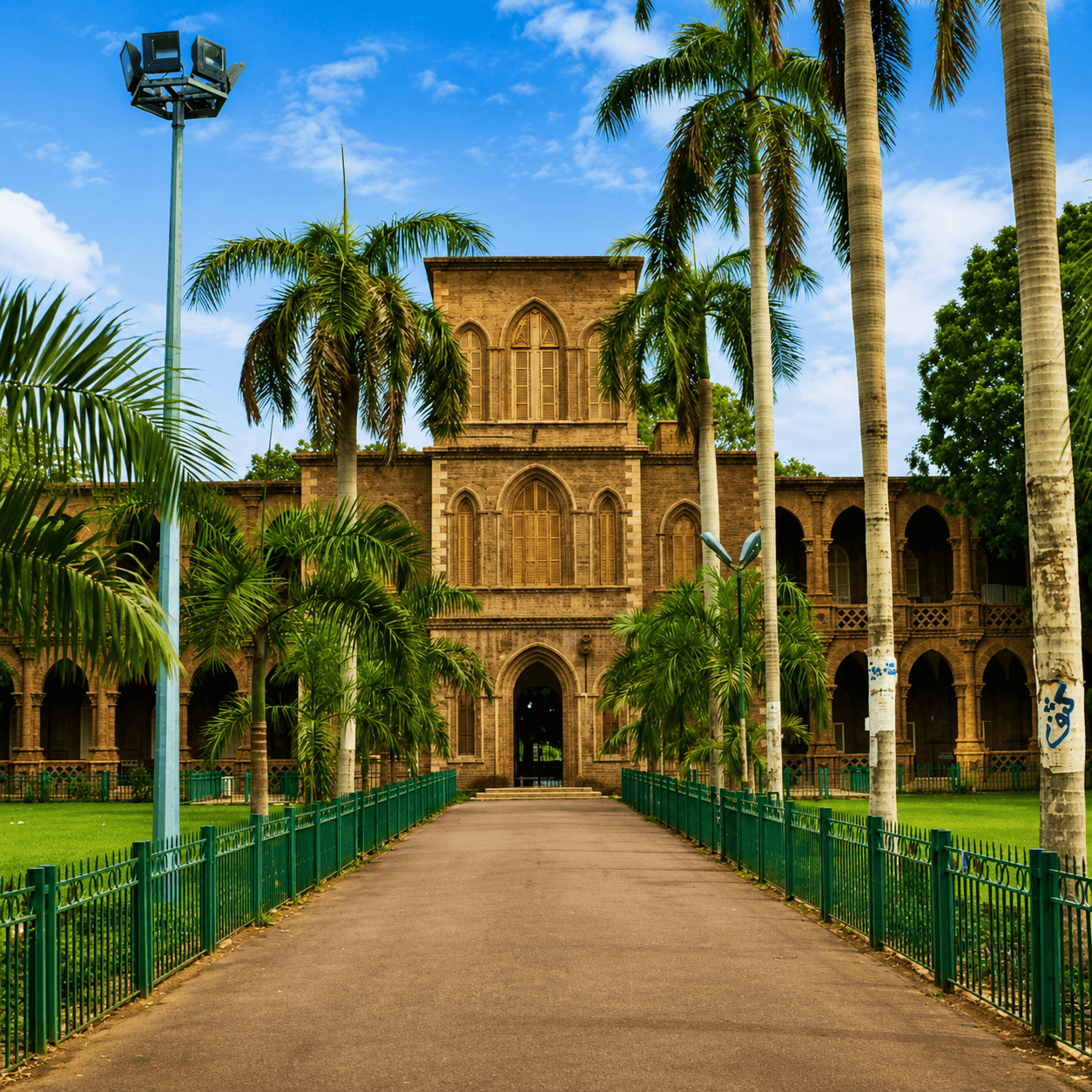
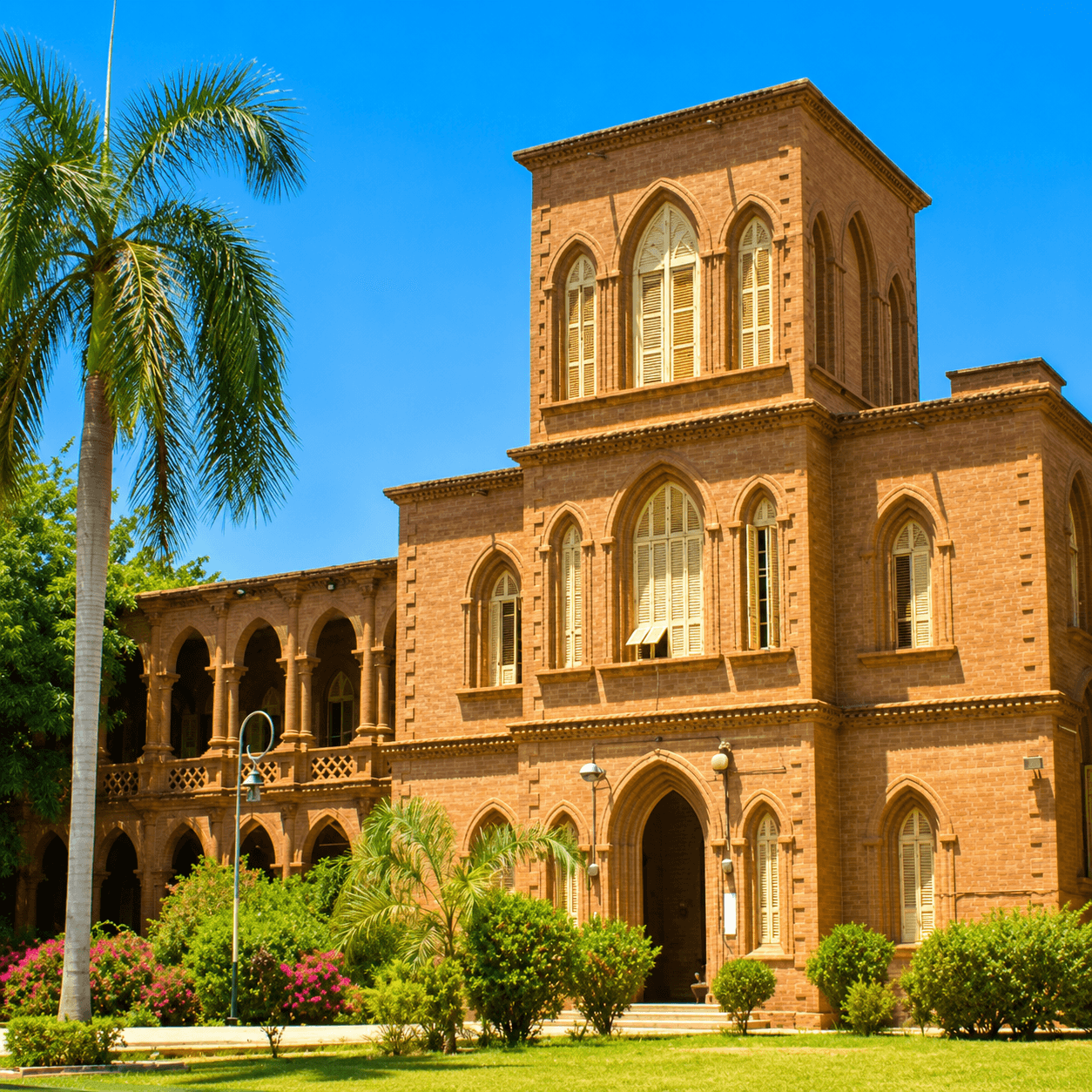
Modern higher education in Sudan is usually dated to Gordon Memorial College, opened in Khartoum on 8 November 1902. It began modestly, but expanded steadily: the Kitchener School of Medicine — Sudan's first — was founded in 1924, and by mid-century a cluster of higher schools in engineering, law, agriculture and the sciences had formed around the college. In 1947 the institution entered a "special relationship" with the University of London, was renamed University College Khartoum in 1951, and achieved full independent status as the University of Khartoum in 1956, the year of Sudan's independence. Today the university comprises more than twenty faculties and research institutes and a main library holding over 400,000 volumes.

Through the second half of the twentieth century, Sudanese universities exercised a regional academic influence well beyond the country's borders. The University of Khartoum in particular became one of the most respected seats of learning in Africa and the Arab world, producing scholars, scientists, jurists and writers of international standing — among them the novelist Tayeb Salih, the economist and prime minister Abdalla Hamdok, and the political leader John Garang. Sudanese academics helped staff new universities across the region, and the country's medical and Islamic-studies graduates earned recognition far afield.

This legacy — ancient, Islamic and modern in turn — remains Sudan's enduring intellectual foundation. Even as the sector faces severe disruption from the conflict that began in April 2023, the institutions, scholarly networks and traditions built over more than a century, and the deeper heritage of Nile-Valley learning behind them, continue to define Sudan's place in the story of African and Arab education.

A Destination for International Students

A Destination for International Students

For much of the twentieth century Sudan was one of Africa's notable destinations for international students, drawing young people from across the continent and the wider Muslim world to study in Khartoum and Omdurman. Its position at the meeting of the Arab and African worlds, its respected universities, and its deep traditions in Arabic and Islamic learning made it a natural place of study for students seeking advanced education in those fields, as well as in medicine and the sciences.

The links between Sudan and Nigeria are an especially long-standing example. Educational ties between Sudan and northern Nigeria date at least to the colonial period: in the 1930s Sudanese instructors were brought to teach at Kano's Shahuci Judicial School and the Northern Provinces Law School, and over the following decades a steady stream of Nigerian students travelled the other way to continue their studies in Sudan. Many graduates of Arabic and Islamic schools in northern Nigeria pursued higher education in Sudanese institutions and returned home as teachers, university lecturers, administrators, physicians and judges of the civil and Shari'a courts. Scholars have described a distinctive intellectual current linking northern Nigerian thinkers to Sudan, and the relationship remains a reference point in the shared educational history of the two countries. Comparable ties connected Sudan to Chad, Cameroon, Niger, the Horn of Africa and beyond.

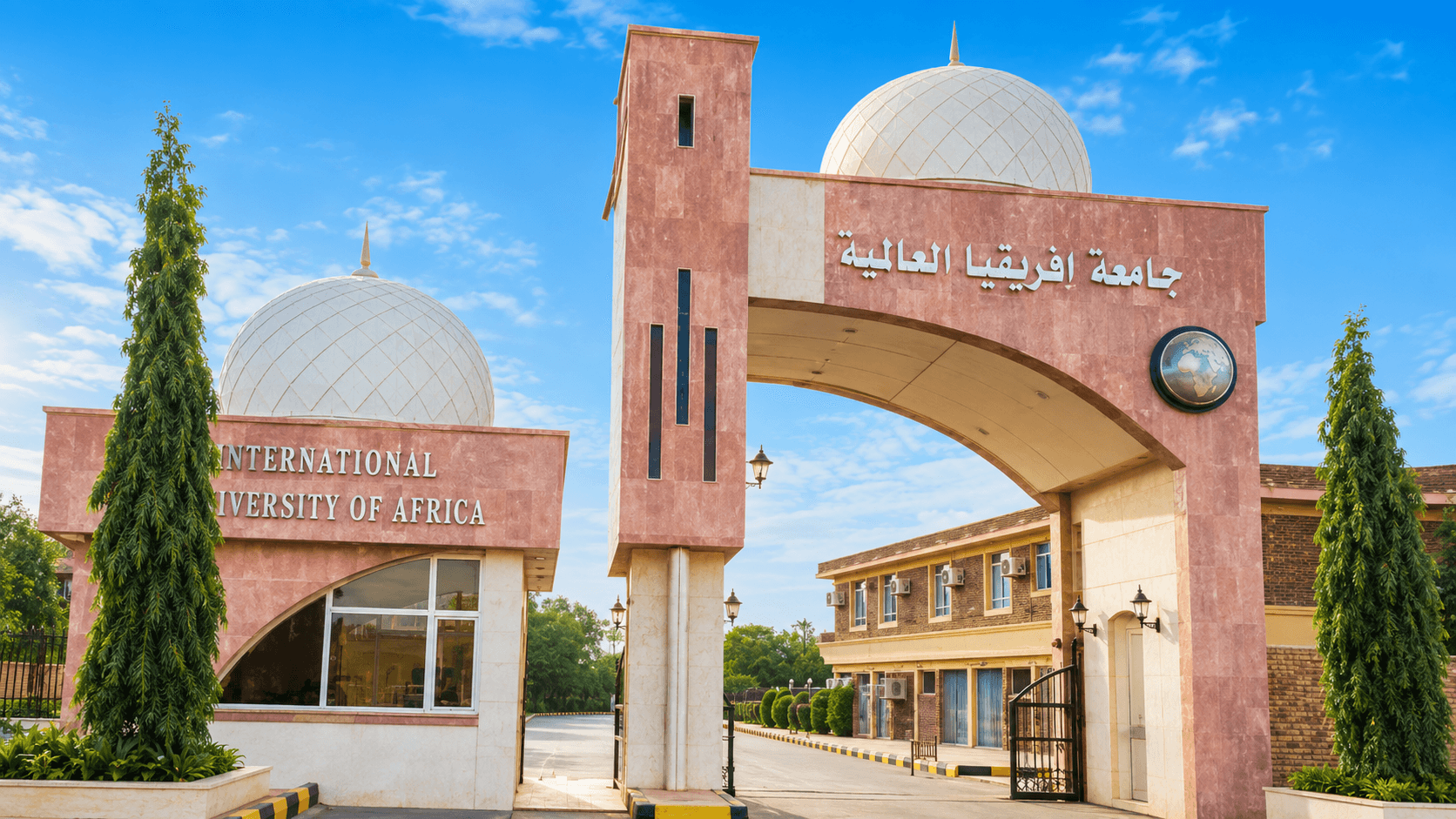
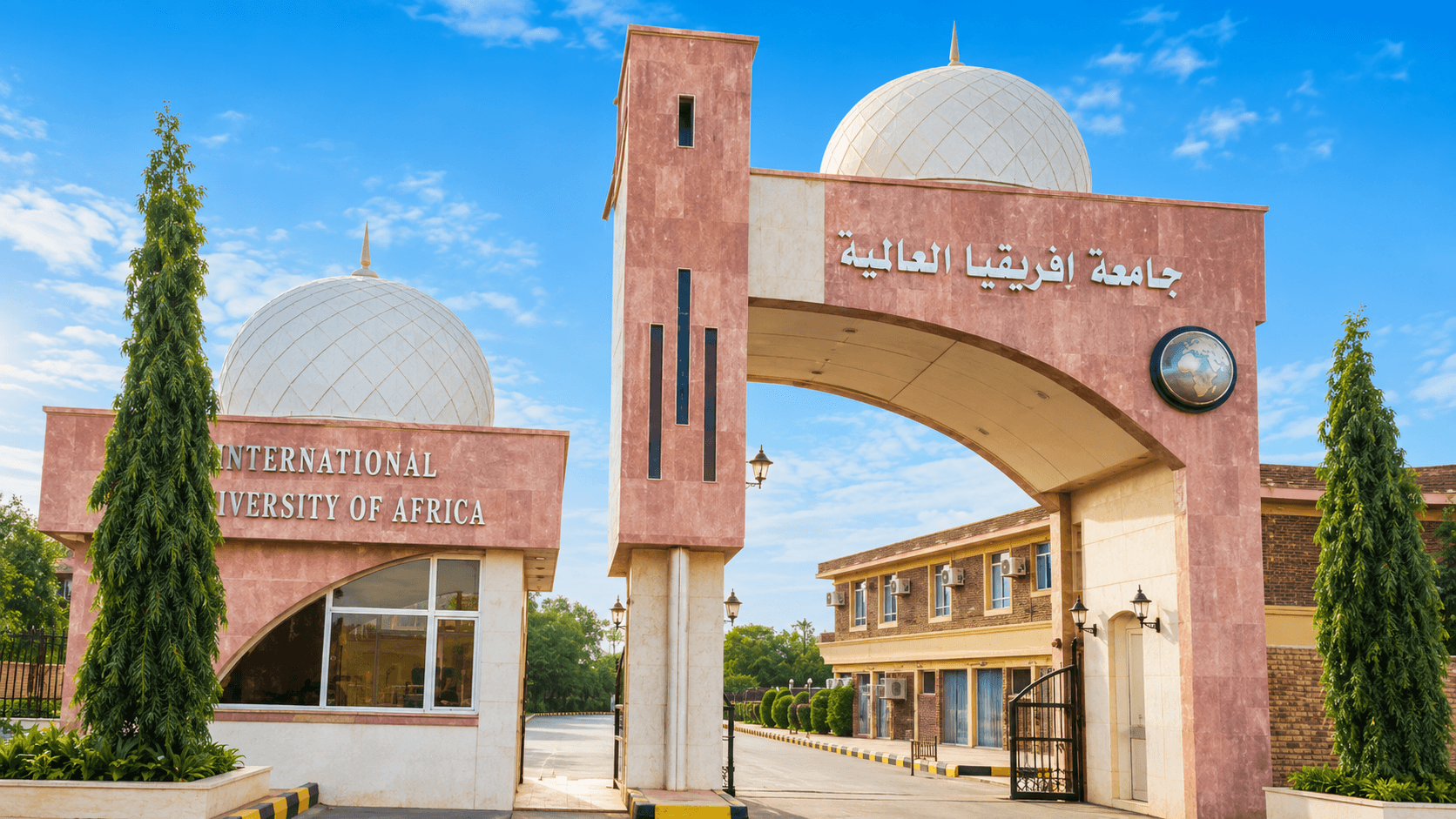
This role was given lasting institutional form in the International University of Africa in Khartoum. It began in 1977 as the African Islamic Centre, established to educate young Muslims from across Africa, and was upgraded to a full university in 1991. Its mission has centred on serving students from sub-Saharan Africa and the broader Muslim world, and over the years it has enrolled students from more than ninety countries across faculties spanning Islamic studies, education, humanities, pure and applied sciences, engineering and medicine. Set on a large campus in southern Khartoum, and extending its work through affiliated institutions such as a college in Zanzibar, the university built a reputation as a hub of cultural exchange, where students from many nations studied side by side — often supported by scholarships that made study accessible to those from modest backgrounds.

Other institutions reinforced Sudan's appeal to international students. Omdurman Islamic University and later foundations specialising in the Qur'an and Islamic sciences drew students of religion and Arabic; the University of Khartoum, the University of Gezira and others attracted those seeking medicine, agriculture and engineering. For many families across West and Central Africa, sending a son or daughter to study in Sudan carried both practical and cultural appeal: a respected qualification, immersion in the Arabic language, and a familiar Islamic environment.

It is important to be candid about the present. Since April 2023 the conflict in Sudan has severely disrupted universities and the enrolment of new international students, and prospective students should rely on official, current guidance regarding admissions and travel. The account above describes an established legacy and an institutional mission built over decades rather than present-day operational conditions. That legacy — of Sudan as a welcoming place of study for students from Nigeria and across Africa and the Muslim world — remains an important part of the country's identity and a foundation on which its higher-education ties can be rebuilt.

Why Study in Sudan

Sudan's appeal as a place of study has historically rested on a distinctive combination of advantages: affordability, genuine Arabic-language immersion, strong traditions in particular academic fields, cultural and religious familiarity for Muslim students, and a reputation for hospitality. Taken together, these qualities long made Sudan an attractive and accessible option, particularly for students from other African and Muslim-majority countries.

Affordability has been a defining feature. Tuition at Sudanese universities has been modest by international standards — for international students commonly in the region of a few thousand US dollars a year or less, depending on the programme and institution — and the cost of living in Sudanese cities has been correspondingly low. For families across Africa for whom study in Europe, the Gulf or North America is financially out of reach, Sudan offered a path to a recognised university qualification at a fraction of the cost, and a number of institutions have historically offered scholarships to students from partner countries.

Language is a second major draw. Sudan is an Arabic-speaking country, and study there offers immersion in the language in daily life as well as in the classroom. Universities and dedicated centres — including institutes for teaching Arabic to non-native speakers — have offered programmes in Modern Standard Arabic aimed specifically at international students. For those wishing to master Arabic for religious study, scholarship, diplomacy or professional reasons, an Arabic-speaking environment combined with formal instruction has been a powerful advantage, and many students have also strengthened their English alongside it.

Sudan's academic strengths lie in fields of enduring value. It has a long and respected tradition in medicine, dating to the founding of the Kitchener School of Medicine in 1924 and reinforced by later innovations such as the community-oriented medical education pioneered at the University of Gezira. It is equally renowned for Arabic and Islamic studies, taught in depth at institutions such as Omdurman Islamic University and the International University of Africa. Agriculture, veterinary science and engineering round out a portfolio grounded in the country's own development needs. Sudanese-trained doctors, in particular, have earned recognition across the Gulf, the United Kingdom and Africa — testimony to the standing of the qualifications.

For Muslim students, Sudan has offered an environment of cultural and religious familiarity that many find reassuring: the rhythms of daily religious life, familiar food and social customs, and a society organised around shared values. This has been especially significant for students from northern Nigeria and other parts of West and Central Africa, for whom Sudan feels culturally close as well as academically credible. Alongside this, Sudanese people are widely noted for their warmth and hospitality toward visitors, and international students have often described a welcoming environment that eased the experience of studying far from home. The country's extraordinary heritage — the pyramids of Meroe, Nubian traditions, and the confluence of the Blue and White Niles at Khartoum — adds a further dimension to student life.

These advantages describe a well-established value proposition built up over many decades. Prospective students should note that the conflict since April 2023 has disrupted the higher-education sector, and should consult official and current sources before making plans. The underlying strengths, however — affordability, Arabic immersion, respected fields of study, and a familiar, welcoming culture — remain part of Sudan's enduring offer to international students.
Academic Fields and Opportunities

Sudanese higher education developed particular strengths in fields shaped by the country's needs and heritage: medicine and the health sciences, Arabic and Islamic studies, agriculture and veterinary science, and engineering. These disciplines form the core of what Sudan has historically offered students, including those coming from abroad.

Medicine is perhaps Sudan's best-known academic strength. The Kitchener School of Medicine, founded in Khartoum in 1924, was the country's first medical school and one of the earliest in the region; it became a foundation stone of the University of Khartoum and the source of a long line of distinguished physicians. Sudan later became a genuine innovator in medical education: in 1975 Professor Bashir Hamad introduced community-oriented medical education at the University of Gezira, an approach that trained doctors for real service in rural and underserved areas and that was subsequently studied and adopted by medical schools across Africa and the Middle East. Sudanese medical faculties have also contributed significant research on tropical and endemic diseases, often in collaboration with international institutions, and Sudanese-trained doctors practise and teach around the world.

Arabic and Islamic studies constitute a second historic strength, rooted in the khalwa tradition and the country's long role as a centre of religious scholarship. Omdurman Islamic University — whose origins reach back to the Scientific Institute of the early twentieth century and which became a full university in 1965 — specialises in Islamic studies, Arabic language and related fields, while the International University of Africa and institutions dedicated to the Qur'an and Islamic sciences draw students of religion and language from across the continent. For international students in particular, these programmes, combined with everyday immersion in Arabic, have been a major attraction.

Agriculture and veterinary science reflect Sudan's identity as one of Africa's great agricultural lands, watered by the Nile and its tributaries. The Shambat agricultural research station near Khartoum dates to 1904, and the Gezira Scheme — one of the largest irrigated agricultural projects in the world — spurred the creation of dedicated research stations from 1918 and a national agricultural research service by 1931. The University of Khartoum's Faculty of Agriculture at Shambat, and agricultural and veterinary faculties at universities across the country, built on this base, producing expertise in crop science, irrigation, animal production and dryland farming of direct relevance to much of Africa. Engineering, law, economics, the pure sciences and the humanities complete a broad academic landscape; before 2023 Sudan hosted dozens of public and private universities and hundreds of thousands of students.

Prospective students should understand the current situation clearly. The conflict that began in April 2023 caused severe damage across the higher-education sector, with many campuses in Khartoum and Gezira damaged, looted, repurposed or closed, and academic activity disrupted or relocated. The description above therefore reflects the established fields, institutions and reputation that Sudan built over more than a century, rather than a guarantee of present-day operational capacity. Anyone considering study in Sudan should rely on official, up-to-date information about which institutions and programmes are operating and how. What endures is the intellectual foundation itself — strengths in medicine, Islamic and Arabic scholarship, agriculture and engineering — around which Sudan's universities can rebuild and continue to serve students at home and from across Africa and the Muslim world.

Major Universities

Historic and reputable institutions across Khartoum, Omdurman, and the Gezira — each with its own strengths and character.

University of Khartoum

University of Khartoum

Sudan's flagship university, founded as Gordon Memorial College in 1902, renowned for medicine, engineering and law and for producing statesmen, scientists and writers of continental stature.

Read more
International University of Africa

International University of Africa

A Khartoum university with an explicitly pan-African and Islamic educational mission, historically drawing students from more than ninety countries — including many from Nigeria and West Africa — and sustained by an extensive scholarship programme.

Read more
Omdurman Islamic University

Omdurman Islamic University

One of Sudan's oldest universities (origins in 1912) and a historic centre of Islamic and Arabic scholarship that has long attracted international and African students.

Read more
University of Gezira

University of Gezira

A Wad Madani-based university globally recognised as a pioneer of community-based medical education, with major strengths in medicine, health sciences and agriculture.

Read more
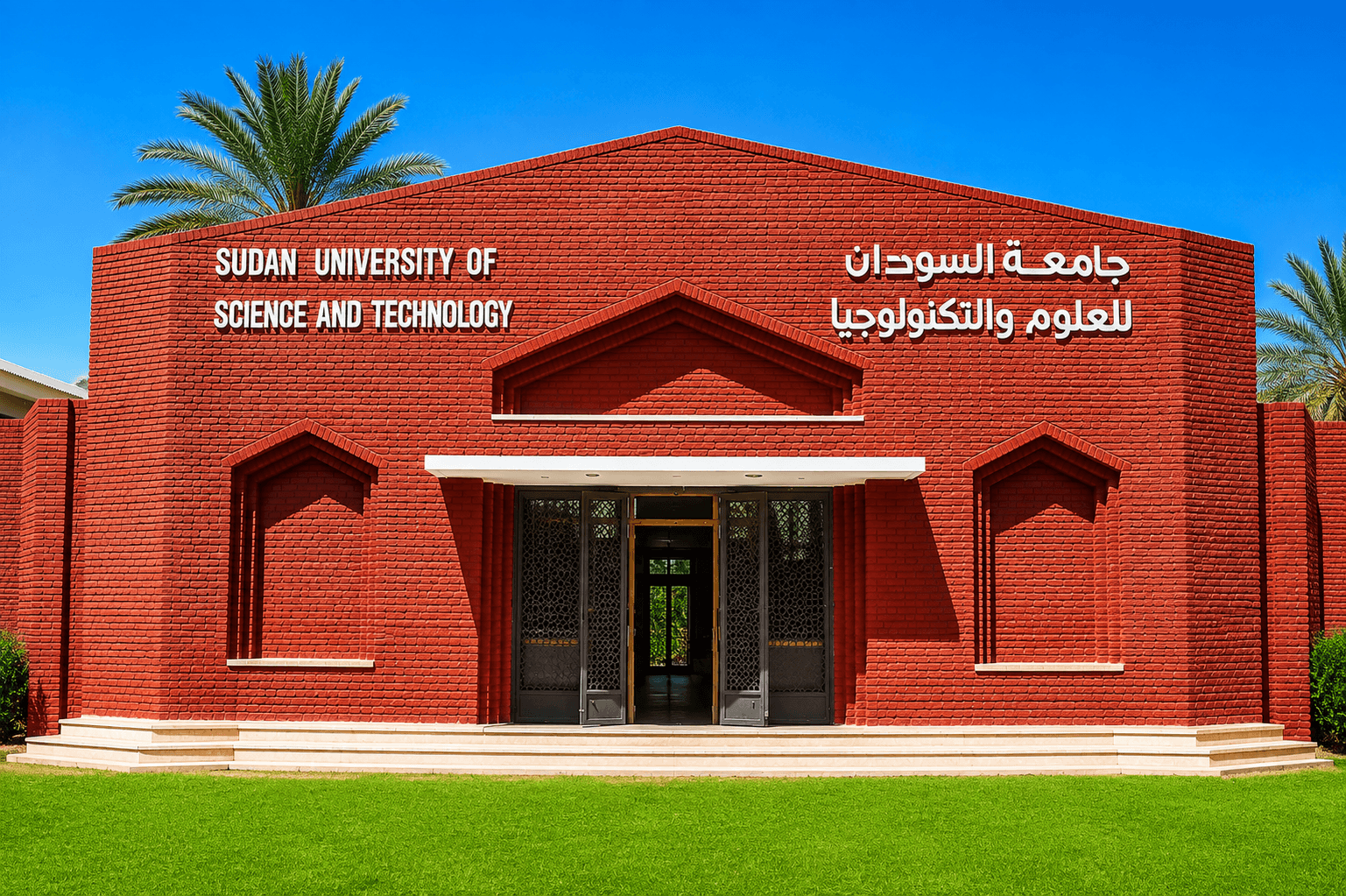
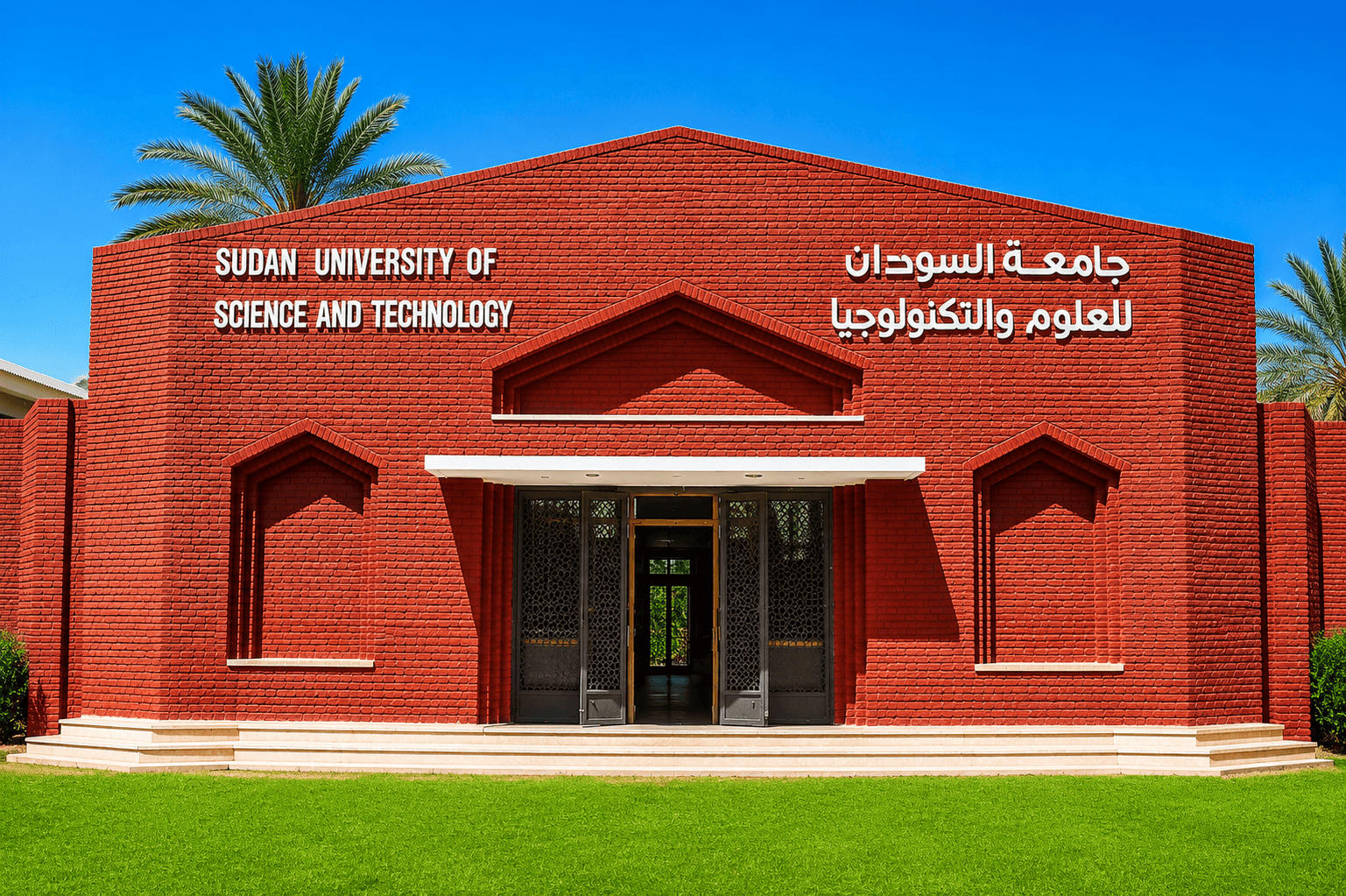
Sudan University of Science & Technology

Sudan University of Science & Technology

One of Sudan's oldest and largest public universities, tracing back to 1902, with a comprehensive science-and-technology portfolio and international academic recognition.

Read more

University of Medical Sciences & Technology

A leading private university in Khartoum founded in 1995 by Professor Mamoun Homeida, known for medicine and health sciences and for its strongly international student body.

Read more
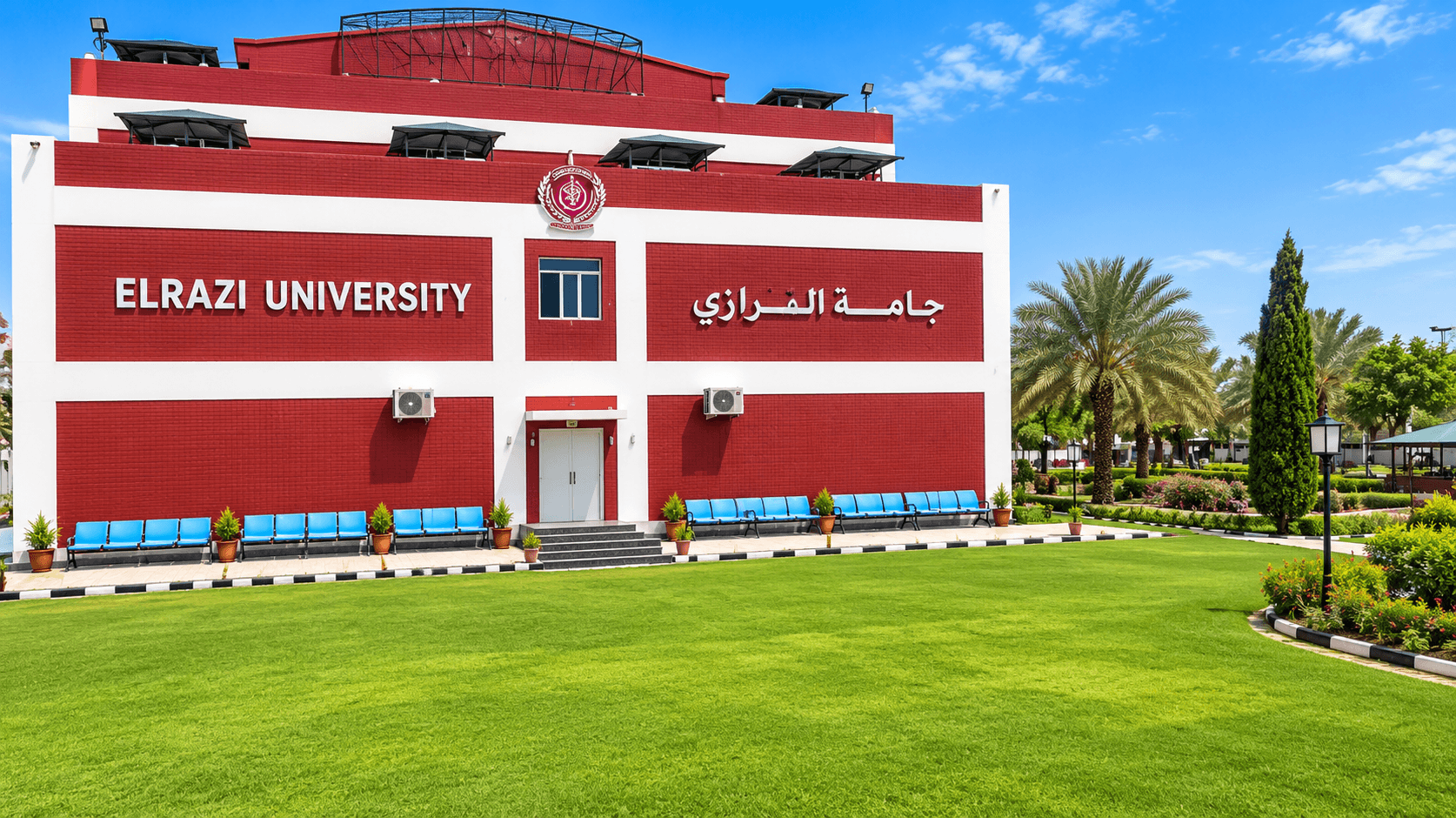
Al-Razi University

Al-Razi University

A private Khartoum university founded in 2001 and focused almost entirely on health and medical sciences — medicine, dentistry, pharmacy and allied fields — named after the great medieval physician Abu Bakr al-Razi.

Read more
Ahfad University for Women

Ahfad University for Women

In Omdurman, a pioneering private university devoted to women's higher education, its lineage reaching to Sudan's first girls' school in 1907 and its mission centred on educating women as professionals and agents of development across Sudan and Africa.

Read more

Other Reputable Institutions

Two well-regarded private universities that broaden Sudan's higher-education landscape, both recognised by the Ministry of Higher Education and strong in engineering and the health sciences.

Read more

Planning to study in Sudan?

Entry visas for students are handled by the Embassy's Consular Section.

See visa services