Omdurman Islamic University (OIU) is one of the oldest and most distinguished centres of learning in Sudan and a historic pillar of Islamic and Arabic scholarship in Africa. Its origins lie in 1912, when the Scientific Institute of Omdurman was founded by the Sudanese judge Sheikh Abu al-Qasim Ahmad Hashem, the first modern scientific institute of its kind in the country. Built on the tradition of the Islamic endowment (waqf), the institute produced many of Sudan's most prominent scholars, jurists and public figures, and over the following decades it developed into a full university, elevated to that status in 1965.
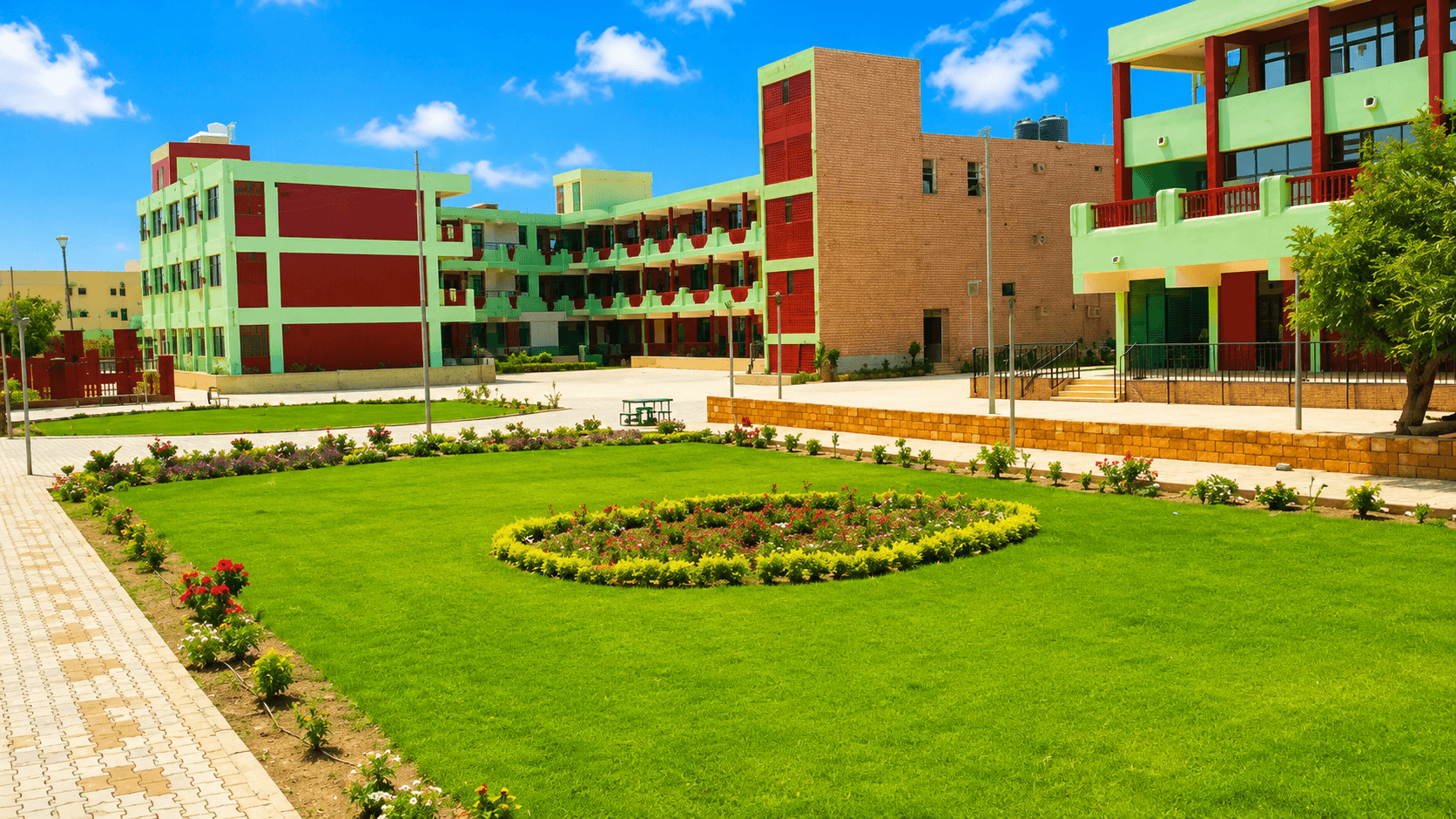
The university occupies an extensive campus of roughly 500 acres in Omdurman, historically Sudan's cultural and spiritual heart, organised into separate sections for male students in Al-Fitaihab and female students in Al-Thawra. Although its foundational identity is rooted in the religious sciences, OIU has grown into a comprehensive university spanning more than twenty faculties. Its Islamic and Arabic disciplines, Sharia and Law, Usul al-Din (fundamentals of religion), Da'wa, and Arabic language and literature, remain internationally renowned, while the university also offers faculties of Medicine, Pharmacy, Nursing and Medical Laboratory Sciences, Engineering and Computer Science, Economics and Administrative Sciences, Education, Agriculture and the Arts.
OIU has long held a distinctive position in the Islamic academic world. It is a member of the Federation of the Universities of the Islamic World and holds membership in the unions of Arab, African and international universities, reflecting its extensive scholarly networks. The university maintains a notable research culture, publishing more than twenty scientific journals across its disciplines and housing libraries, digital repositories and research institutes dedicated to Islamic heritage and strategic studies.
A defining characteristic of Omdurman Islamic University is its deep and enduring appeal to international students. For more than a century it has attracted learners from across Africa, the Arab world and the wider Muslim community who come to study the Arabic language, the Quranic and legal sciences, and Islamic theology at an institution with genuine historical authority. This role as a hub for religious and linguistic education has made OIU one of Sudan's most internationally connected universities and an important instrument of the country's cultural and educational diplomacy.
The university's enduring assets are its heritage, its scholarship and its reach. A lineage stretching back to 1912, an internationally respected tradition in Islamic and Arabic studies, a broad modern faculty structure covering the sciences and professions, and a long-standing community of students drawn from many nations together give OIU a legacy that few institutions in the region can match. Framed as potential rather than mere history, that legacy positions Omdurman Islamic University to continue serving as a bridge between Sudan and the broader Islamic and African academic world, and as a custodian of scholarly traditions of lasting value.