Sudan sits astride the Arabian-Nubian Shield, one of the world's classic gold-bearing terranes, and mining is the natural anchor of the country's long-term resource economy. Gold is the headline asset. Sudan ranks among Africa's largest gold producers, commonly cited as the continent's third-largest, and the authorities reported record output of roughly 64 tonnes in 2024, achieved even against the backdrop of conflict. Independent researchers (SWISSAID) estimate true annual production at 70 to 90 tonnes once informal flows are counted. That scale rests overwhelmingly on artisanal and small-scale mining (ASGM), which accounted for more than 90 percent of declared output in 2024 and supports the livelihoods of an estimated one to two million people across the Nubian and Red Sea Hills.
The investment rationale is twofold: formalization and value addition. Because so much production is artisanal, and because a large share of gold has historically left the country informally, there is substantial scope for structured investment in licensed concessions, modern processing, tailings retreatment, and traceable refining. The state-owned Ariab Mining Company alone holds concessions exceeding 43,000 square kilometres in the Red Sea Hills, anchored by the flagship Hassai mine, and the government has issued exploration and production licences to more than 85 companies. A domestic gold refinery already exists in Khartoum, pointing to a clear pathway from raw ore toward certified, higher-value output.
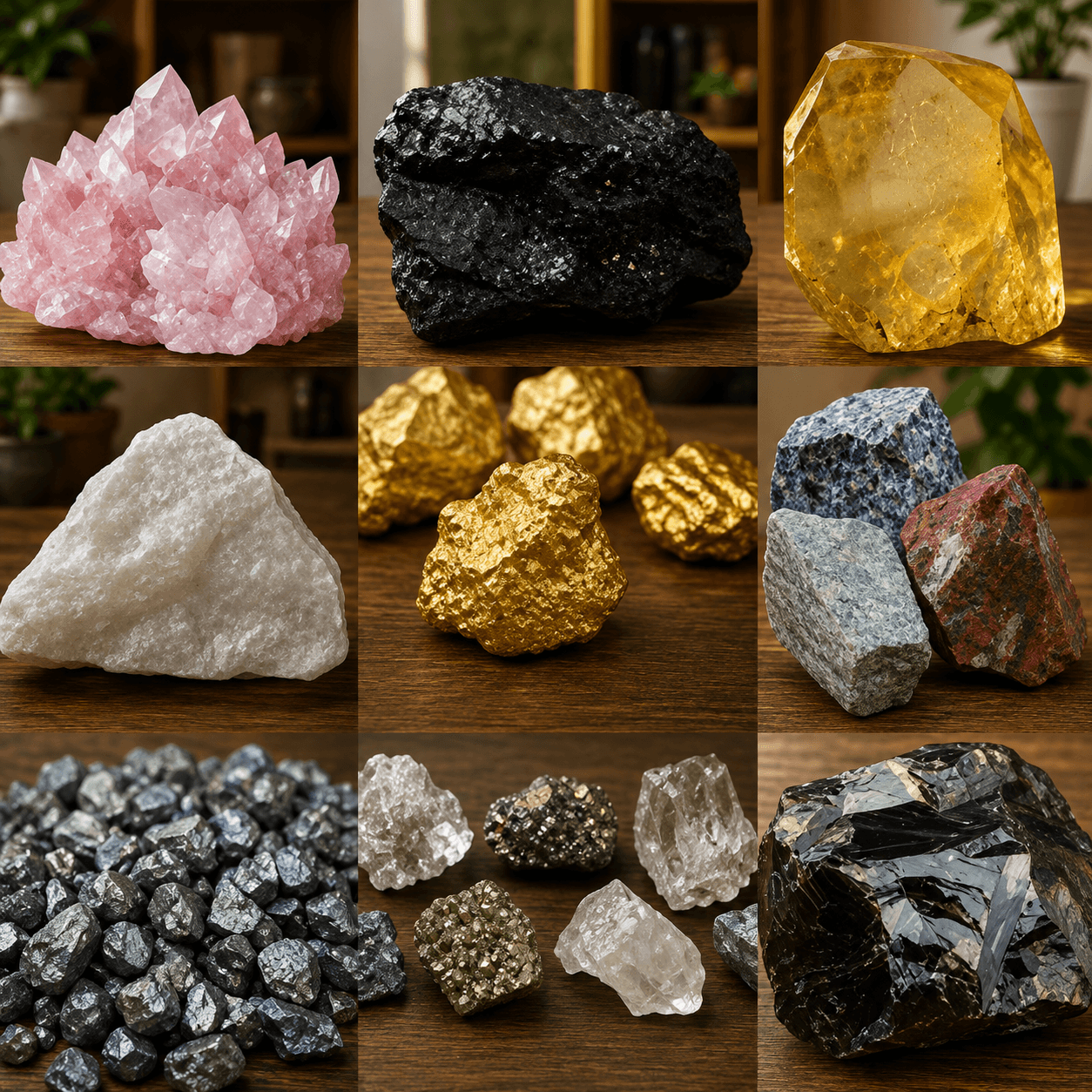
Beyond gold, Sudan's geology is diverse and, by regional standards, strikingly under-explored. Chromite is mined in the Ingessana Hills of Blue Nile State, with reserves on the order of a million tonnes. Iron ore occurs in the Wadi Halfa region, the Baljarawih area, and the Red Sea Hills, with resource estimates running into the billions of tonnes. Gypsum deposits along the Red Sea coast are among the largest in Africa, estimated near 220 million tonnes, a natural feedstock for cement and construction materials. Manganese is found in the Red Sea Mountains and desert interior, and the Red Sea Hills host base and precious metals, including significant copper, silver, and zinc potential identified in historical surveys.
For investors, the enduring case is straightforward. Sudan combines proven, producing mineral systems with vast, lightly drilled acreage; an established (if reformable) licensing framework; and mineral endowments, from gold and gypsum to iron and chromite, that map directly onto downstream industries the country can build at home. Decades of instability and under-investment have left much of the prospective ground untested by modern exploration techniques, which is precisely why geologists regard the Sudanese portion of the shield as a genuine frontier. As stability returns, the priorities most attractive to responsible capital are transparent licensing, formalized artisanal supply chains, environmental safeguards around mercury use, and in-country processing that captures more value from each tonne of ore. The legacy is a mineral base of continental significance; the potential lies in developing it to modern standards.