

Sudan's manufacturing base has always been rooted in one enduring comparative advantage: an exceptional agricultural and raw-material endowment that lends itself to processing at home. Historically, textiles and food processing together account for more than half of the sector's value added and around 70 percent of its industrial employment, and it is in adding value to Sudan's own primary output that the clearest long-term opportunities lie.
Agro-processing is the natural core. Sudan is one of Africa's leading sugar producers through enterprises such as the Kenana Sugar Company, a large Sudanese-Arab joint venture cultivating a plantation on the scale of 165,000 acres and among the biggest integrated sugar operations on the continent. The country is also the world's foremost source of gum arabic, the natural emulsifier used across the global food, beverage, and pharmaceutical industries; Sudan has long supplied the majority of world demand from its acacia gum belt, an unmatched heritage export with obvious scope for cleaning, kibbling, and value-added processing. Add to this vegetable-oil pressing, oilseed and groundnut processing, dairy, and one of Africa's largest livestock herds, and the pipeline of feedstocks for food and beverage manufacturing is deep and renewable.
Textiles are the second pillar, and they rest on a genuinely distinctive asset: Sudanese extra-long-staple cotton. The Gezira Scheme, laid out on the clay plain between the Blue and White Niles, is among the largest irrigation projects under single management anywhere in the world, roughly 2.1 million feddan served by more than 4,000 kilometres of gravity canals, and long-staple cotton makes up a majority of Sudan's cotton exports. A deep-rooted spinning and weaving tradition means the country can, in principle, capture far more of the cotton-to-garment value chain than it does today, substituting imports and building export apparel capacity from fibre it already grows.
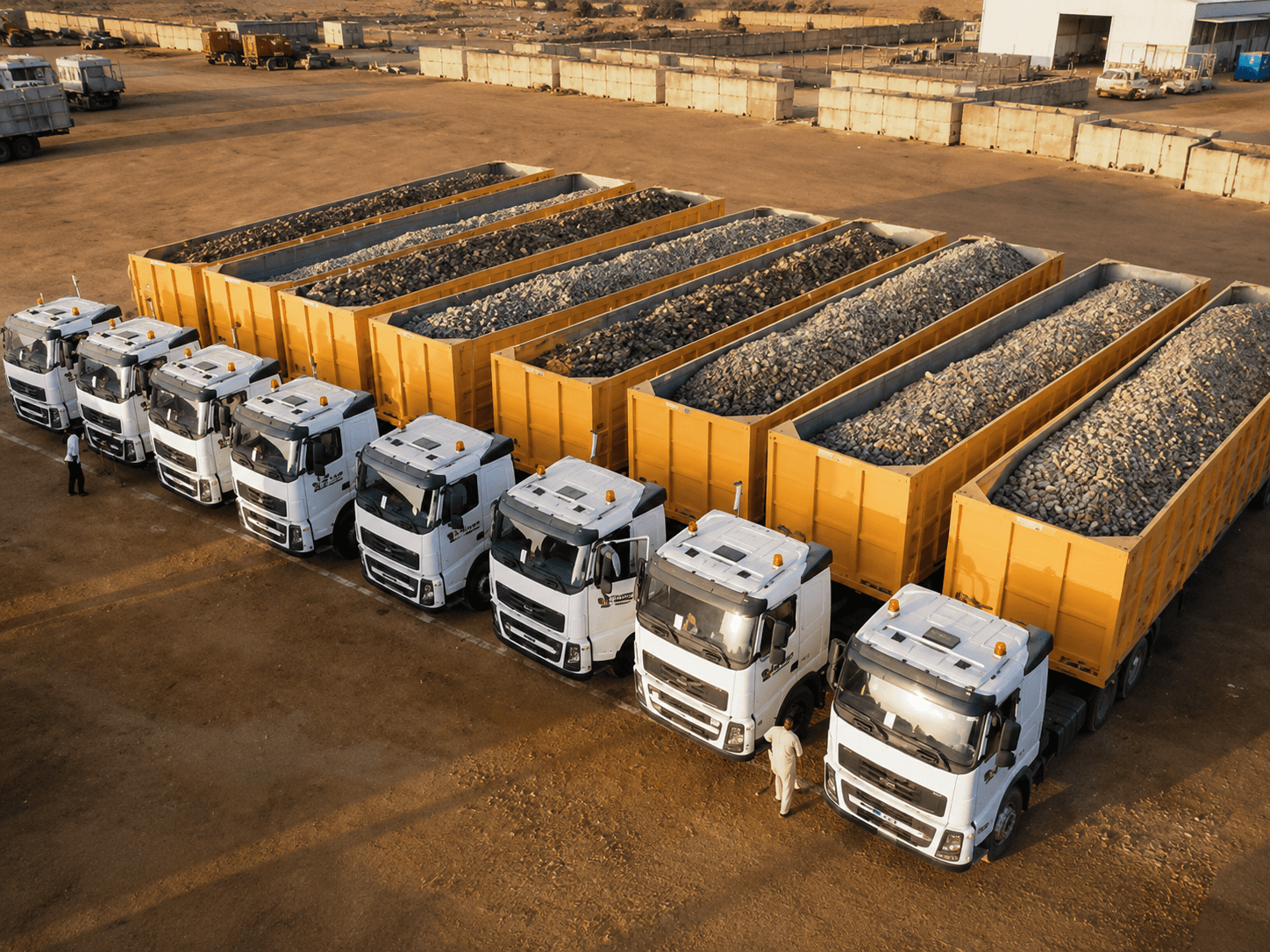
Building materials form the third pillar. Domestic cement production, for example the long-established Nile Cement operation at Rabak drawing on limestone reserves of around 250 million tonnes, is complemented by some of Africa's largest gypsum deposits along the Red Sea coast, a natural base for plaster, board, and cement additives. As reconstruction and urbanization proceed, demand for cement, aggregates, steel, and finishing materials will be substantial, and much of the raw input can be sourced within the country.
The investment rationale across manufacturing is consistent: Sudan exports raw commodities it could instead transform. Cotton can become yarn, fabric, and garments; oilseeds can become refined oils; sugarcane, gum arabic, and livestock can anchor branded food, beverage, and ingredient industries; and local minerals can feed a building-materials sector. Vertical integration of this kind reduces import dependence, retains value and employment onshore, and leverages endowments that are durable rather than cyclical. The enduring legacy is a resource-rich agricultural nation with a real industrial tradition; the potential lies in modernizing plants, upgrading standards, and financing the value chains that turn Sudanese raw materials into finished goods.