
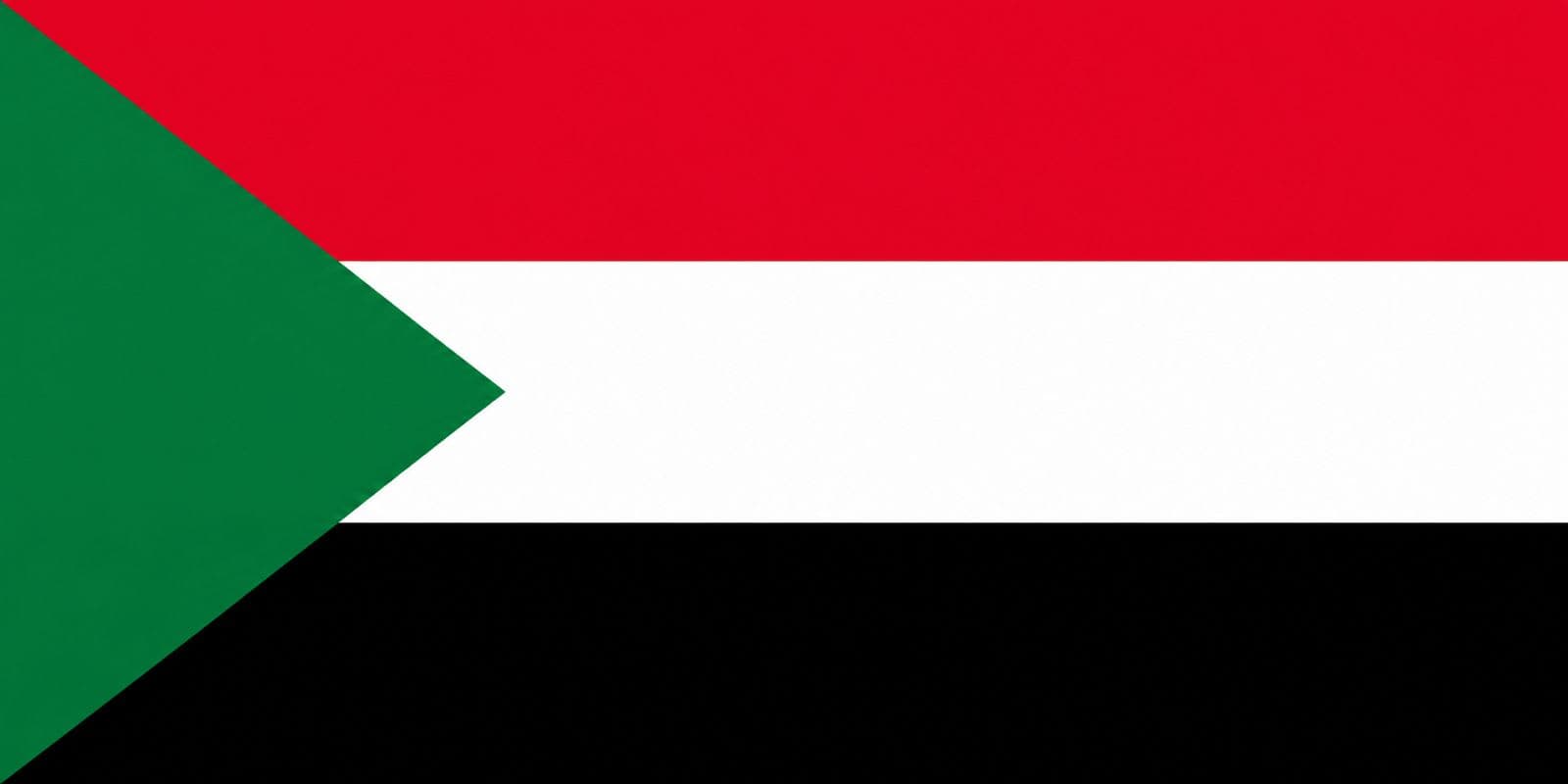
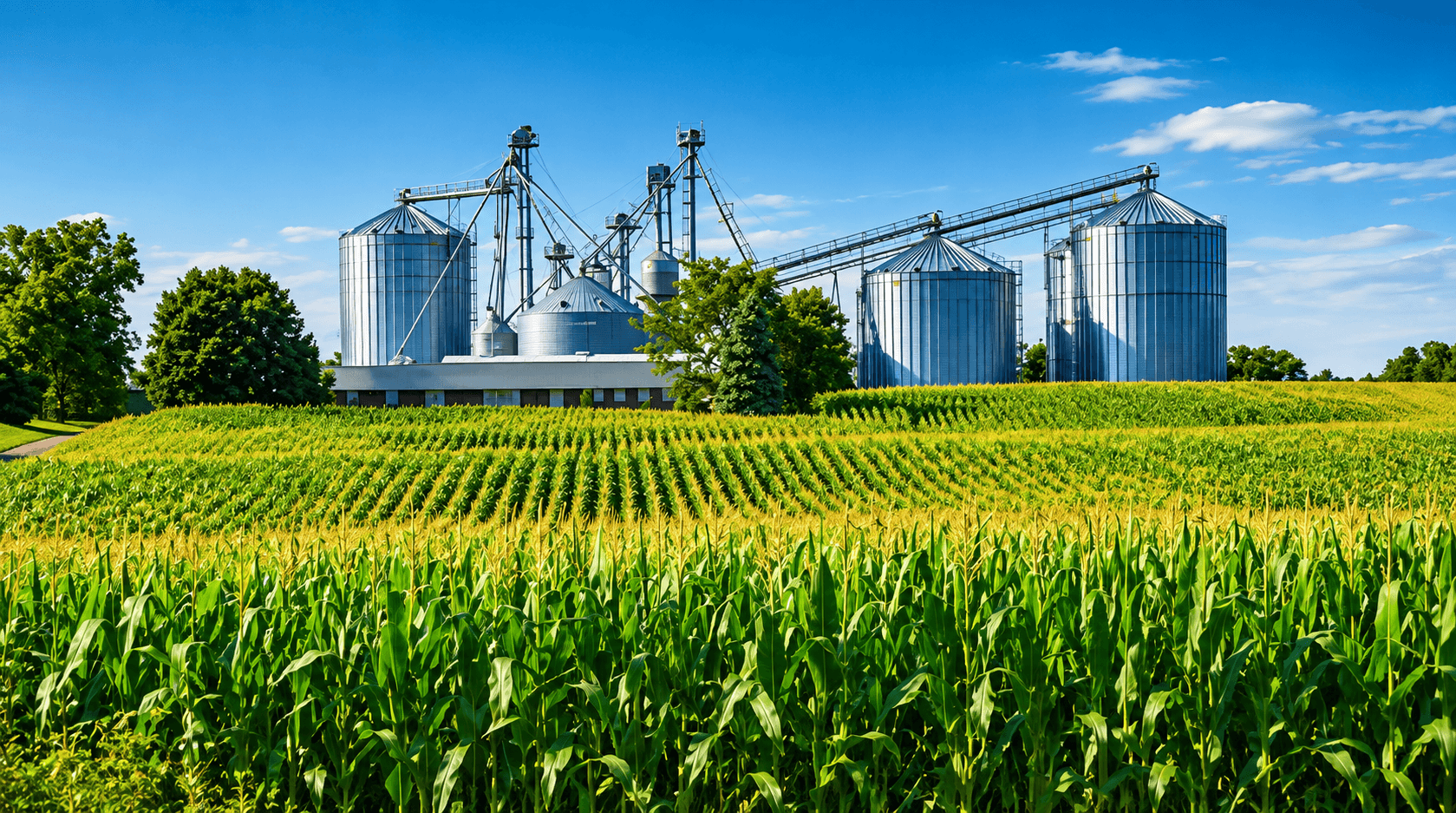
Sudan has long been regarded as one of the world's great agricultural frontiers, historically described as a potential breadbasket for the Arab world and Africa. The country holds an estimated 80 million hectares of arable land — by several accounts close to 45 percent of all cultivable land in the Arab world — yet historically only around 17 million hectares have been cropped in a given year and fewer than 2 million hectares irrigated. That gap between endowment and use is the heart of the long-term investment case: extensive, largely underutilised land spanning diverse agro-ecological zones, from the irrigated clay plains of the centre to the rain-fed savannas of the south and west. Agriculture has traditionally underpinned the economy, historically contributing roughly a third of GDP and employing a large majority of the workforce (agriculture, forestry and fishing were recorded at about 22 percent of GDP in 2024, below pre-conflict levels).
At the centre of Sudan's irrigated sector sits the Gezira Scheme, laid out on the fertile clay plains between the Blue and White Niles south of Khartoum. Covering close to one million hectares (roughly 2.2 million feddans) under a single management system, it is among the largest irrigation schemes in the world and accounts for about half of Sudan's irrigated area. Sudan's allocation of 18.5 billion cubic metres of Nile water per year under the 1959 Nile Waters Agreement provides an established basis for rehabilitating and expanding gravity-fed irrigation well beyond current use.
Sudan's signature crop is gum arabic (acacia gum), for which the country is the world's leading source, historically supplying an estimated 70 to 80 percent or more of global production. Harvested from Acacia senegal (hashab) and Acacia seyal trees across the semi-arid "gum belt" of Kordofan and Darfur, it is an essential natural emulsifier and stabiliser used in soft drinks, confectionery, pharmaceuticals, and cosmetics worldwide. Gum arabic underpins the livelihoods of millions of smallholders while also anchoring soil conservation and agroforestry across the Sahel margin.
Beyond gum arabic, Sudan is a globally significant supplier of oilseeds. It ranks among the world's largest exporters of "other oily seeds" — groundnuts, sesame, sunflower, and safflower — with oilseed exports valued at around 746 million US dollars in 2020, and it is among the top producers of sesame, accounting for a large share of world sesame exports. Sorghum (dura) is the country's staple food grain, while long-staple cotton has historically been a flagship export, and groundnuts, millet, hibiscus (karkadeh), and sugarcane add further depth to the crop base.
The investment logic rests on three pillars. First, land and water availability: millions of hectares of suitable soils and an established Nile water entitlement remain far from fully developed. Second, a pronounced value-addition gap: commodities such as gum arabic and sesame are largely exported raw, with cleaning, grading, kibbling, milling, certification, and food-grade processing — and the profit margins they carry — captured overseas, where raw gum can double or triple in value. Third, robust and growing external demand, particularly from Gulf, MENA, and Asian markets, and a global gum arabic market projected to grow from roughly 1.1 billion US dollars in 2025 toward 2.2 billion by 2035. Investment in modern processing, cold and dry storage, quality-assurance services, seed and mechanisation supply, and irrigation rehabilitation therefore addresses clear, structural bottlenecks rather than creating demand from scratch.